







Fruit Cultivation and Processing
Fruit Cultivation and Processing
Business Model Description
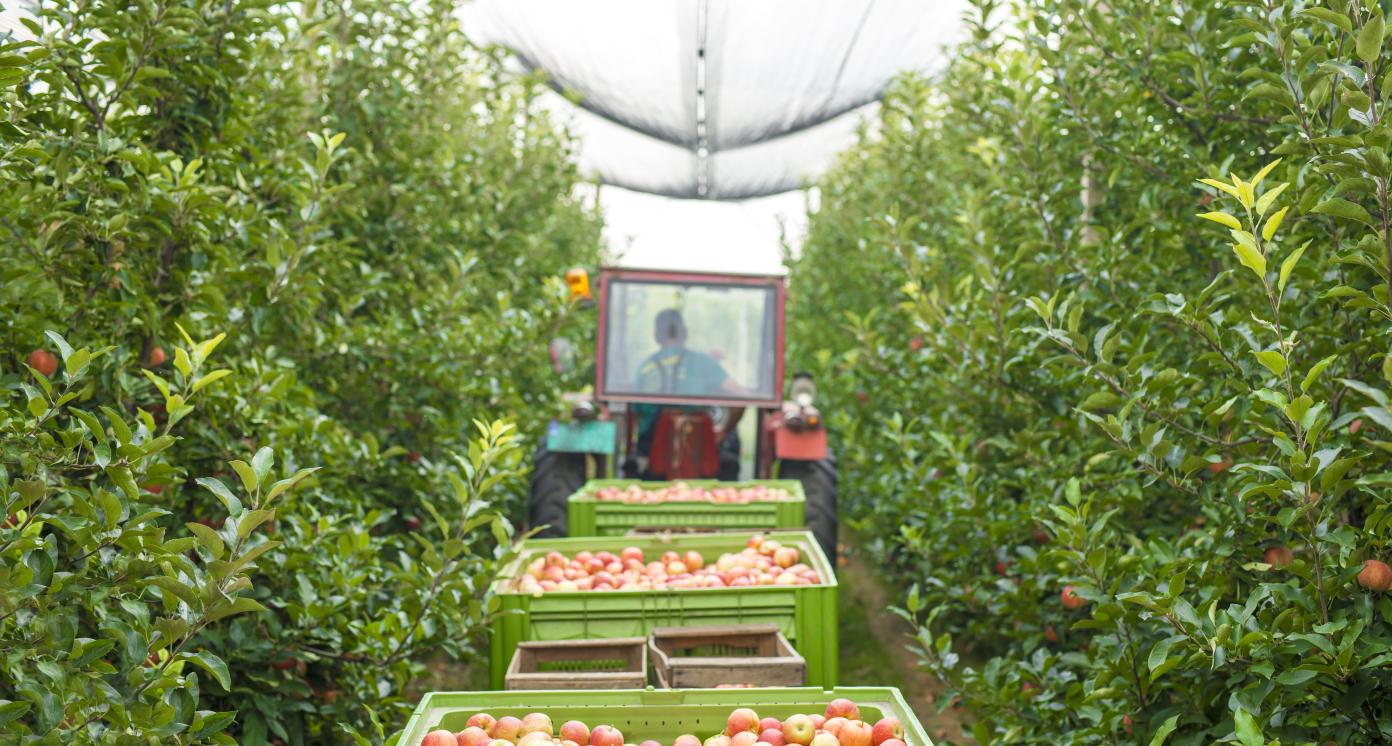
Establishing cultivation farms and procesing facilities dedicated to export-oriented fruit production including berries, cherries, plums, apricots, grapes, and apples by adopting modern equipment, technologies, and agronomic techniques to maximize yield and quality with revenue generated through domestic sales and higher-value exports to EU and regional markets.
Expected Impact
Investments in fruit cultivation and processing reduce losses, raise rural incomes, empower smallholders and women, and strengthen Moldova’s sustainable agri-exports.
How is this information gathered?
Investment opportunities with potential to contribute to sustainable development are based on country-level SDG Investor Maps.
Disclaimer
UNDP, the Private Finance for the SDGs, and their affiliates (collectively “UNDP”) do not seek or solicit investment for programmes, projects, or opportunities described on this site (collectively “Programmes”) or any other Programmes, and nothing on this page should constitute a solicitation for investment. The actors listed on this site are not partners of UNDP, and their inclusion should not be construed as an endorsement or recommendation by UNDP for any relationship or investment.
The descriptions on this page are provided for informational purposes only. Only companies and enterprises that appear under the case study tab have been validated and vetted through UNDP programmes such as the Growth Stage Impact Ventures (GSIV), Business Call to Action (BCtA), or through other UN agencies. Even then, under no circumstances should their appearance on this website be construed as an endorsement for any relationship or investment. UNDP assumes no liability for investment losses directly or indirectly resulting from recommendations made, implied, or inferred by its research. Likewise, UNDP assumes no claim to investment gains directly or indirectly resulting from trading profits, investment management, or advisory fees obtained by following investment recommendations made, implied, or inferred by its research.
Investment involves risk, and all investments should be made with the supervision of a professional investment manager or advisor. The materials on the website are not an offer to sell or a solicitation of an offer to buy any investment, security, or commodity, nor shall any security be offered or sold to any person, in any jurisdiction in which such offer would be unlawful under the securities laws of such jurisdiction.
Country & Regions
- Republic of Moldova: Northern Development Region
- Republic of Moldova: Central Development Region
- Republic of Moldova: Southern Development Region
Sector Classification
Food and Beverage
Development need
Moldova’s agriculture needs stronger food processing to cut post-harvest losses and boost value-added exports, agrifintech to expand credit access for smallholders and women farmers, and digital solutions for climate-smart farming, traceability, and market access, driving resilience and EU-aligned competitiveness. (5,6,7)
Policy priority
The National Strategy for Agriculture and Rural Development of the Republic of Moldova (NSARD 2023-2030) aims to build a competitive agri-food sector; develop environmentally friendly and climate resilient value chains; strengthen food security & safety; improve rural livelihoods; implement EU acquis progressively. (1)
Gender inequalities and marginalization issues
In Moldova’s agriculture sector, women have limited access to finance hold relatively small land and face barriers to credit, training, and technology. (14)
Investment opportunities introduction
Since 2023, seven categories of Moldovan agricultural products have enjoyed unrestricted access to the European market, resulting in grape and prune exports doubling and apple and cherry exports to the EU increasing tenfold. (2)
Key bottlenecks introduction
Fragmented land holdings, climate vulnerability with low irrigation coverage , limited finance access for smallholders. (15)
Food and Agriculture
Development need
There is a need to enhance productivity and modernize Moldova’s agricultural sector by supporting its integration into the country’s broader digital economy shift led by the fast-growing ICT sector.(8,9,10,11,12)
Policy priority
The National Strategy “European Moldova 2030” / National Economic Development Strategy 2030 sets overall socio-economic development goals, including modernizing agriculture, increasing productivity, sustainable use of natural resources, rural development. (3)
Gender inequalities and marginalization issues
Women in the rural areas and youth are most excluded from value chains, while outmigration and aging populations deepen inequalities, limiting inclusive growth and resilience.(13)
Investment opportunities introduction
Under the Moldova Growth Plan 2025–2027, one objective is to support agri-SMEs by improving access to finance through the National Fund for Agriculture and Rural Development, implemented by AIPA. (4)
Key bottlenecks introduction
Outdated technologies and weak processing, storage, and logistics infrastructure cause significant inefficiencies in Moldova’s agriculture, with lack of post-harvest facilities leading to losses of 10–15% by volume. (16)
Agricultural Products
Pipeline Opportunity
Fruit Cultivation and Processing
Establishing cultivation farms and procesing facilities dedicated to export-oriented fruit production including berries, cherries, plums, apricots, grapes, and apples by adopting modern equipment, technologies, and agronomic techniques to maximize yield and quality with revenue generated through domestic sales and higher-value exports to EU and regional markets.
Business Case
Market Size and Environment
USD 100 million - USD 1 billion
Moldova Exports of edible fruits, nuts, peel of citrus fruit, melons was US$282.42 Million during 2024, according to the United Nations COMTRADE database on international trade. (28)
Indicative Return
10% - 15%
A study by WorldBank showed that the IRR for fruit cultivation in Moldova is around 14%. (31)
Investment Timeframe
Long Term (10+ years)
Dwarf varieties typically begin producing fruit within 2–4 years, while standard full-size varieties take about 4–6 years to start bearing. Once established, apple trees generally remain productive for 15 to 30 years. (32)
Ticket Size
< USD 500,000
Market Risks & Scale Obstacles
Business - Supply Chain Constraints
Market - Volatile
Capital - Limited Investor Interest
Impact Case
Sustainable Development Need
Moldova’s agriculture suffers from low productivity, high post-harvest losses, and limited value addition. (36,37)
Farmers often lack quality inputs and improved seeds, while adoption of advanced technologies such as precision farming, digital advisory tools, and modern irrigation remains limited.(38)
Gender & Marginalisation
Marginalized groups are concentrated in low-value labor and excluded from higher-income agribusiness opportunities.
Expected Development Outcome
Improved processing can reduce losses, boost export earnings, and create more resilient value chains.
Gender & Marginalisation
Enhanced access to value chains empowers women and youth farmers with finance and skills, enabling participation in higher-value processing activities.
Primary SDGs addressed
2.3.1 Volume of production per labour unit by classes of farming/pastoral/forestry enterprise size
2.3.2 Average income of small-scale food producers, by sex and indigenous status
9.3.1 Proportion of small-scale industries in total industry value added
9.3.2 Proportion of small-scale industries with a loan or line of credit
49.7% (40)
Secondary SDGs addressed
Directly impacted stakeholders
People
Gender inequality and/or marginalization
Planet
Corporates
Public sector
Indirectly impacted stakeholders
People
Gender inequality and/or marginalization
Planet
Corporates
Public sector
Outcome Risks
Climate shocks may cut yields, reducing raw material supply for processors.
Limited cold storage/logistics raises risk of high post-harvest losses.
Export market volatility may depress fruit prices and farmer income.
Monoculture practices may harm biodiversity and long-term soil fertility.
Gender inequality and/or marginalization risk: Smallholder exclusion from value chains risks widening rural inequality.
Impact Risks
Lack of reliable yield & loss data limits accurate impact tracking.
Farmers/processors may not adopt modern standards or tech as planned.
Gains may fade if storage/processing facilities are not maintained.
Trade barriers or regional conflicts may disrupt exports.
Gender inequality and/or marginalization risk: Smallholders/women farmers’ needs may be overlooked.
Impact Classification
What
Processing can reduce post-harvest waste and boost export value.
Who
Beneficiaries include farmers, processors, exporters; underserved groups are rural women, youth, and smallholders excluded from finance/market access.
Risk
Without inclusive design, investments may concentrate benefits in large agribusinesses, excluding SMEs, women, and marginalized farmers.
Contribution
Impact would not scale without investment in modern processing, cold chains, and agrifintech solutions.
Impact Thesis
Investments in fruit cultivation and processing reduce losses, raise rural incomes, empower smallholders and women, and strengthen Moldova’s sustainable agri-exports.
Enabling Environment
Policy Environment
Agriculture and Rural Development Strategy 2022–2027 aims to promote smart, efficient and sustainable agricultural practices, developing the local market and increasing export potential, as well as supporting sustainable rural socio-economic development.(17)
National Development Strategy Moldova 2030 identifies horticulture and agri-food value chains as growth priorities. (18)
National Strategy for Agriculture and Rural Development (NSARD) 2023-2030 aims to develop agri-food value chains, rural livelihoods, and competitiveness. (27)
Moldova Growth Plan unlocks financing, infrastructure, and EU market integration that enable this IOA to scale exports, boost competitiveness, and align fruit production and processing with EU supply chains.(19)
Financial Environment
Financial incentives: Starting March 2025, small and micro farmers can access favorable loans with a 5.1% interest rate and grant components.Flexible repayment terms up to five years, possible state guarantees via the Guarantee Fund for Entrepreneurial Development. (39)
Fiscal incentives: Reduced VAT rate of 8% is applied for horticultural products and food processing. (25)
Other incentives: VAT exemption on the import of tractors and agricultural equipment. (26)
Regulatory Environment
EU-Moldova Deep and Comprehensive Free Trade Area agreement facilitates trade between Moldova and the EU and reduces tariffs. (20)
Order of the Government No. 94 (Feb 7, 2024) – Regulations on production & realization of material for reproduction and planting of fruit crops.(21)
Law No. 82/2024 “Official Control in the Agrifood Sphere” establishes harmonized rules for inspection of food products. (22)
Law “About Fruit Growing” (1996, amended 2022)governs production & selling of fruit & berry products and planting (landing) material (23)
Marketplace Participants
Private Sector
National Farmers Federation of Moldova NFFM representing over 5000 farmers and landowners,
Government
Ministry of Agriculture and Food Industry, National Food Safety Agency (ANSA), The Agency for Intervention and Payments in Agriculture (AIPA), Agricultural and Rural Advisory Center of the Republic of Moldova
Multilaterals
EBRD, World Bank, EU Delegation
Target Locations

Republic of Moldova: Northern Development Region
Republic of Moldova: Central Development Region
Republic of Moldova: Southern Development Region
References
- (1) Government of the Republic of Moldova. 2014. National Strategy on Agriculture and Rural Development for the Period 2014-2020. https://www.fao.org/faolex/results/details/en/c/LEX-FAOC159051
- (2) Invest Moldova. 2025. The European Union expands access for Moldovan products to the EU market. https://invest.gov.md/en/the-european-union-expands-access-for-moldovan-products-to-the-eu-market/
- (3) Government of the Republic of Moldova. 2018. Draft of National Development Strategy Moldova 2030 https://www.imf.md/press/SND_MD2030_25_Jun_eng.pdf
- (4) European Commission. 2024. Commission adopts €1.8 billion support package to underpin Moldova's economic growth plan on its path to the EU. https://ec.europa.eu/commission/presscorner/detail/it/ip_24_5124
- (5) OECD. 2020. Policy Insights: Promoting Exports and Supply-Chain Linkages in the Food Industry in the Republic of Moldova. https://www.oecd.org/content/dam/oecd/en/publications/reports/2020/07/promoting-exports-and-supply-chain-linkages-in-the-food-industry-in-the-republic-of-moldova_c58c3ff9/72bf4a9f-en.pdf
- (6) World Bank. 2023. Country Private Sector Diagnostic – Moldova. https://www.ifc.org/content/dam/ifc/doc/2023-delta/cpsd-moldova-en.pdf
- (7) World Bank. 2024. Moldova Economic Update - Special Topic: Energy Affordability. https://thedocs.worldbank.org/en/doc/9a4979b9cb56380179fbe177ed17dc66-0080012024/original/Moldova-MEU-English.pdf
- (8) Helvetas. 2024. Transforming Moldova's Agriculture by Leveraging Digital Solutions. https://www.helvetas.org/en/switzerland/how-you-can-help/follow-us/blog/agriculture-and-nutrition/Transforming-Moldovas-Agriculture-by-Leveraging-Digital-Solutions
- (9) Mocanu, A., Clipa, R.-I., & Burciu, A. 2024. The Role of the Implementation of Digital Technologies in the Development of the Agricultural Sector in the Republic of Moldova. https://managementjournal.usamv.ro/pdf/vol.24_1/Art64.pdf
- (10) OECD. 2023. Promoting Digital Business Skills in the Republic of Moldova. https://www.oecd.org/en/publications/2023/06/promoting-digital-business-skills-in-the-republic-of-moldova_dc179cd2.html
- (11) ICT Association of Moldova. 2021. ICT Sector in Moldova Policy White Book. https://ict.md/wp-content/uploads/2020/07/ICT-Sector-White-Book-2021.pdf
- (12) International Telecommunication Union (ITU). 2021. Republic of Moldova Digital Development Country Profile. https://www.itu.int/en/ITU-D/Regional-Presence/Europe/Documents/Publications/Digital%20Development%20Country%20Profiles/Digital%20Development%20Country%20Profile_Moldova_06.12.21.pdf
- (13) World Bank. 2021. Moldova 2021 SCD Update: Building Resilience and Enhancing Competitiveness. https://documents1.worldbank.org/curated/en/546181647363686927/pdf/Moldova-Systematic-Country-Diagnostic-Update-Building-Resilience-and-Enhancing-Competitiveness.pdf
- (14) UNDP Moldova. 2024. Women in rural Moldova seek equal income opportunities. https://www.undp.org/moldova/blog/women-rural-moldova-seek-equal-income-opportunities
- (15) IFAD. 2024. Republic of Moldova Country Strategic Opportunities Programme 2025-2030. https://webapps.ifad.org/members/executive-board-online-review/docs/english/EB-2024-OR-22.pdf
- (16) World Bank. 2015. Moldova Trade Study Note 3: Competitiveness in Moldova's Agricultural Sector. https://documents1.worldbank.org/curated/en/778601467989461212/pdf/103997-REPF-Moldova-Trade-Study-Competitiveness-in-Moldovas-Agricultural-Sector.pdf
- (17) Government of the Republic of Moldova. 2014. National Strategy on Agriculture and Rural Development for the Period 2014-2020. https://www.fao.org/faolex/results/details/en/c/LEX-FAOC159051
- (18) Government of the Republic of Moldova. 2018. Draft of National Development Strategy Moldova 2030 https://www.imf.md/press/SND_MD2030_25_Jun_eng.pdf
- (19) European Commission. 2024. Commission adopts €1.8 billion support package to underpin Moldova's economic growth plan on its path to the EU. https://ec.europa.eu/commission/presscorner/detail/it/ip_24_5124
- (20) European Commission. 2014. EU-Moldova Deep and Comprehensive Free Trade Area. https://trade.ec.europa.eu/access-to-markets/en/content/eu-moldova-deep-and-comprehensive-free-trade-area
- (21) Government of the Republic of Moldova. 2024. Order of the Government No. 94. https://cis-legislation.com/document.fwx?rgn=159518
- (22) EU4Moldova. 2025. Moldova moves forward on the path to EU Integration with stricter food safety rules. https://eu4moldova.eu/en/moldova-moves-forward-on-the-path-to-eu-integration-with-stricter-food-safety-rules/
- (23) Law “About Fruit Growing” (1996, amended 2022)
- (24) North Regional Development Agency. Social-economic profile for investment promotion. https://adrnord.md/public/files/Soroca-189813.pdf
- (25) Invest Moldova. 2024. Food Processing and Livestock. https://invest.gov.md/wp-content/uploads/2024/07/11-06-Agriculture-2024.pdf
- (26) Invest Moldova. 2025. Incentives - Moldova Innovation Technology Park (MITP) https://invest.gov.md/en/incentives-2/
- (27) Government of the Republic of Moldova. 2023. National Strategy for Agriculture and Rural Development (NSARD) of the Republic of Moldova 2023-2030 https://www.apd-moldova.de/backgroundinfo/nsard/
- (28) Trading Economics. 2025. Moldova Exports of edible fruits, nuts, peel of citrus fruit, melons. https://tradingeconomics.com/moldova/exports/edible-fruits-nuts-peel-citrus-fruit-melons
- (29) PDG Fruits. 2025. About Us. https://pdgfruits.com/en/about-us/
- (30) Berries Group. 2025. About Us. https://berries-group.com/en/about-us/
- (31) World Bank. 2002. Implementation Completion Report on a Loan in the Amount of USD 10 Mililon to the Republic of Moldova for the First Agriculture Project. https://documents1.worldbank.org/curated/en/657271468108864276/pdf/multi0page.pdf?
- (32) Grow Organic. 2024. How Long Does It Take for an Apple Tree to Grow? A Guide for Gardeners. https://www.groworganic.com/blogs/articles/how-long-does-it-take-for-an-apple-tree-to-grow-a-guide-for-gardeners?srsltid=AfmBOoqFXQ8CQqrdwPhnCk2l9vbXRSvKajH8P7Pj8WkrX7KpE85gQbxd&
- (33) Shell Foundation (2022). The “Cold Chain” Opportunity: Reducing Postharvest Losses and Increasing Market Access for Rural Farmers.https://shellfoundation.org/news/the-cold-chain-opportunity-reducing-postharvest-losses-and-increasing-market-access-for-rural-farmers/
- (34) Reuters (2022). Russia restricts imports of agricultural products from Moldova.https://www.reuters.com/markets/europe/russia-restricts-imports-agriculture-products-moldova-2022-08-09/
- (35) U.S. Department of State (2025). Moldova Investment Climate Statement 2025. https://www.state.gov/wp-content/uploads/2025/09/638719_2025-Moldova-Investment-Climate-Statement.pdf
- (36) OECD. 2020. Policy Insights: Promoting Exports and Supply-Chain Linkages in the Food Industry in the Republic of Moldova. https://www.oecd.org/content/dam/oecd/en/publications/reports/2020/07/promoting-exports-and-supply-chain-linkages-in-the-food-industry-in-the-republic-of-moldova_c58c3ff9/72bf4a9f-en.pdf
- (37) World Bank. 2024. Moldova Economic Update - Special Topic: Energy Affordability. https://thedocs.worldbank.org/en/doc/9a4979b9cb56380179fbe177ed17dc66-0080012024/original/Moldova-MEU-English.pdf
- (38) Helvetas. 2024. Transforming Moldova's Agriculture by Leveraging Digital Solutions. https://www.helvetas.org/en/switzerland/how-you-can-help/follow-us/blog/agriculture-and-nutrition/Transforming-Moldovas-Agriculture-by-Leveraging-Digital-Solutions
- (39) Radio Moldova. 2025. Farmers in Moldova to benefit from 5.1% loans starting March 2025. https://radiomoldova.md/p/47935/farmers-in-moldova-to-benefit-from-5-1-loans-starting-march-2025
- (40) UNFPA. 2023. Progress Report on the implementation of the 2030 Agenda for Sustainable Development in the Republic of Moldova. https://moldova.unfpa.org/sites/default/files/pub-pdf/raport_de_progres_odd_2023_vf_07_08_2023_en_final.pdf